How to Choose the Right Commercial and Industrial Equipment for Your Business
Choosing the right commercial and industrial equipment is a critical decision that can significantly impact the efficiency and productivity of your business. This equipment plays a vital role in ensuring that operations run smoothly, whether it's for manufacturing, construction, or any other industrial sector. Understanding the specific needs of your business and the characteristics of various equipment options is essential for making informed purchasing decisions.
When selecting commercial and industrial equipment, it's important to consider factors such as functionality, durability, and cost-effectiveness. Each type of equipment serves a unique purpose, and the right choice can enhance performance and provide a competitive edge. Additionally, investing in equipment that meets industry standards ensures safety and compliance, further safeguarding your operations and workforce.
In this guide, we will explore key considerations and strategies for selecting the appropriate commercial and industrial equipment tailored to your business's unique requirements. With the right approach, you can optimize your investment and set your business up for sustainable success.
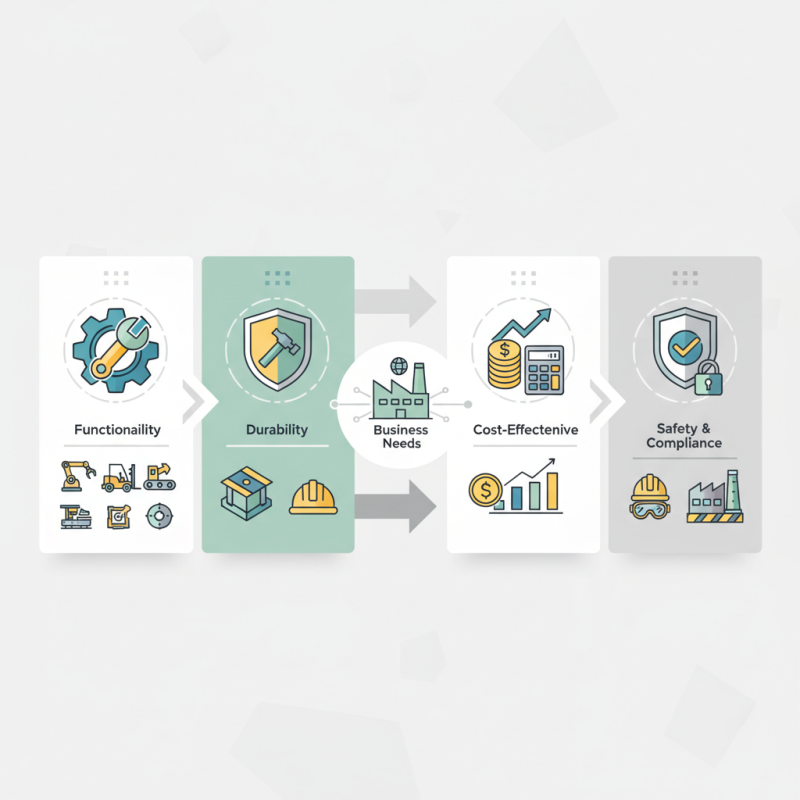
Factors to Consider When Selecting Commercial Equipment
When selecting commercial and industrial equipment for your business, several critical factors need to be considered to ensure optimal performance and cost-effectiveness. First and foremost, assess the specific needs of your operations.
According to a recent report by the National Association of Manufacturers (NAM), businesses that align their equipment purchases with operational requirements see a 30% increase in efficiency. This indicates that understanding the key functionalities and capacities necessary for your tasks will substantially impact your productivity.
Another essential factor to evaluate is the total cost of ownership (TCO), which encompasses not just the initial purchase price but also maintenance, energy consumption, and potential downtime. The
Equipment Leasing and Financing Association (ELFA) states that businesses that account for TCO can achieve savings of up to 25% over the equipment's lifespan. Additionally, consider the scalability of the equipment.
As market demands shift, companies must adapt quickly, and equipment that allows for easy upgrades or expansions will help manage changing operational requirements seamlessly. By considering these factors, businesses can make more informed decisions that align with their long-term strategic goals.
Understanding the Specific Needs of Your Industry
When selecting the right commercial and industrial equipment for your business, it is essential to understand the specific needs of your industry. Different sectors require tailored solutions due to variations in processes, production demands, and regulatory standards. For example, in the manufacturing sector, equipment designed with efficiency and precision can lead to significant reductions in operational costs. According to a report by IBISWorld, the manufacturing sector alone accounts for 18.2% of the U.S. economy, underscoring the importance of choosing the right tools to enhance productivity.
Moreover, industries such as healthcare and food services necessitate specialized equipment to comply with stringent regulatory standards while ensuring safety and quality. The Global Health Expenditure report indicates that healthcare spending has reached over $8 trillion globally, highlighting the demand for advanced medical equipment that meets both safety and efficiency requirements. Similarly, the food services industry is projected to grow significantly, raising the bar for equipment that promotes hygiene and operational efficiency. Thus, understanding the unique requirements of your industry will not only facilitate compliance but also optimize performance and boost your bottom line.
Choosing the Right Commercial and Industrial Equipment by Industry
Evaluating Budget Constraints and Financing Options
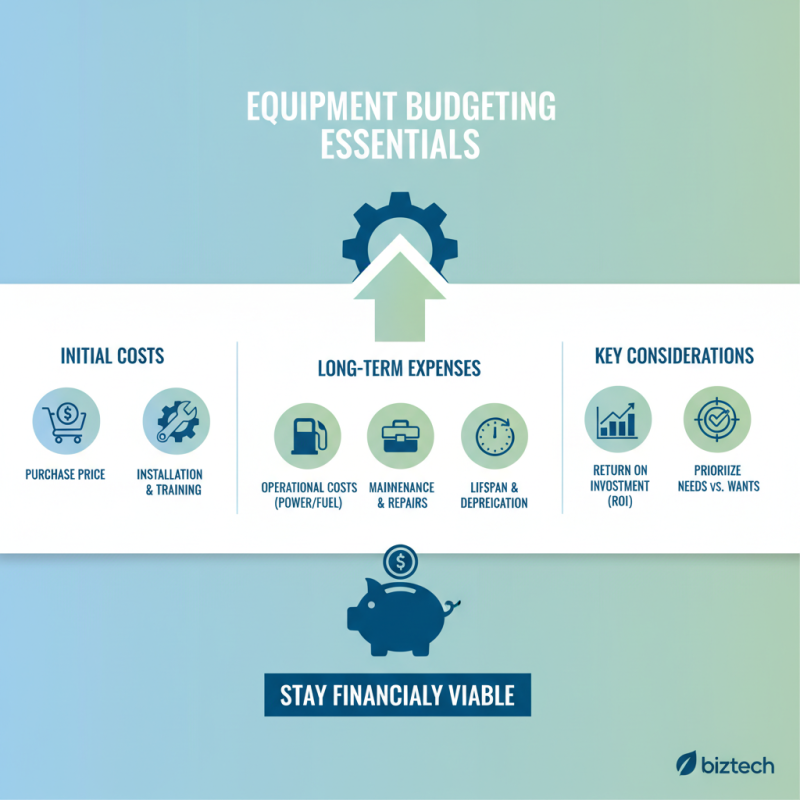
When selecting commercial and industrial equipment, evaluating budget constraints is essential to ensure that your business remains financially viable. Start by determining your overall budget, considering both initial purchase costs and long-term expenses. This includes evaluating potential maintenance, operational costs, and the lifespan of the equipment. It is crucial to prioritize your needs and choose equipment that will deliver the best return on investment. Understanding how much you can afford will guide you toward making informed decisions without compromising quality.
Financing options also play a significant role in acquiring the right equipment. Businesses can explore various avenues, such as loans, leasing, or financing through vendors. Each option has its advantages and disadvantages, making it important to analyze them thoroughly. For instance, leasing may lower upfront costs while providing flexibility, while a loan could lead to ownership of the equipment over time. Additionally, investigate any available grants or incentives that could ease the financial burden. By carefully assessing your budget and the financing avenues available, you can make strategic choices that support your business growth and sustainability.
Comparing Different Brands and Models for Reliability
When selecting commercial and industrial equipment, reliability is one of the most critical factors to consider.
A study conducted by the Industrial Equipment Manufacturers Association revealed that nearly
30% of businesses experience significant downtime due to equipment failure, leading to operational inefficiencies and financial loss.
Therefore, it is essential to compare various brands and models meticulously, focusing on performance metrics, user reviews, and warranty offerings. Research shows that models with longer warranty periods often correlate with higher reliability ratings, indicating manufacturers' faith in their products.
Moreover, a recent market analysis indicates that businesses that invest in top-tier equipment with proven reliability witness a 20% increase in productivity over those that opt for cheaper alternatives. Factors such as maintenance costs, ease of operation, and user support should also play a vital role in your comparison.
While initial cost savings can be tempting, considering the long-term operational advantages and potential cost of repairs can ultimately lead to a more sustainable business model.
Evaluating the total cost of ownership, rather than just the purchase price, ensures that you make an informed decision that safeguards your company's future.
Maintenance and Support Services for Long-term Use
When selecting commercial and industrial equipment for your business, maintenance and support services play a crucial role in ensuring long-term productivity and efficiency. According to a report from the Industrial Maintenance Association, regular maintenance can reduce equipment downtime by up to 30%, directly impacting operational costs and productivity. Businesses should prioritize choosing equipment that comes with comprehensive service packages, including routine inspections, repairs, and performance monitoring, to extend the lifespan of their machinery and prevent costly disruptions.
Moreover, investing in equipment with robust support services not only enhances reliability but also provides valuable insights into the operational status of the equipment. A study by Deloitte indicates that proactive maintenance practices can save companies up to 25% in annual maintenance costs while boosting equipment performance by 20%. Thus, companies should look for vendors that offer specialized training for staff and accessible technical support, ensuring that any issues can be resolved swiftly, minimizing potential setbacks. By focusing on these maintenance and support attributes, businesses can secure a solid return on investment while maintaining a competitive edge in their industry.